
Construction
Big Construction Projects and Their Impact on Employment

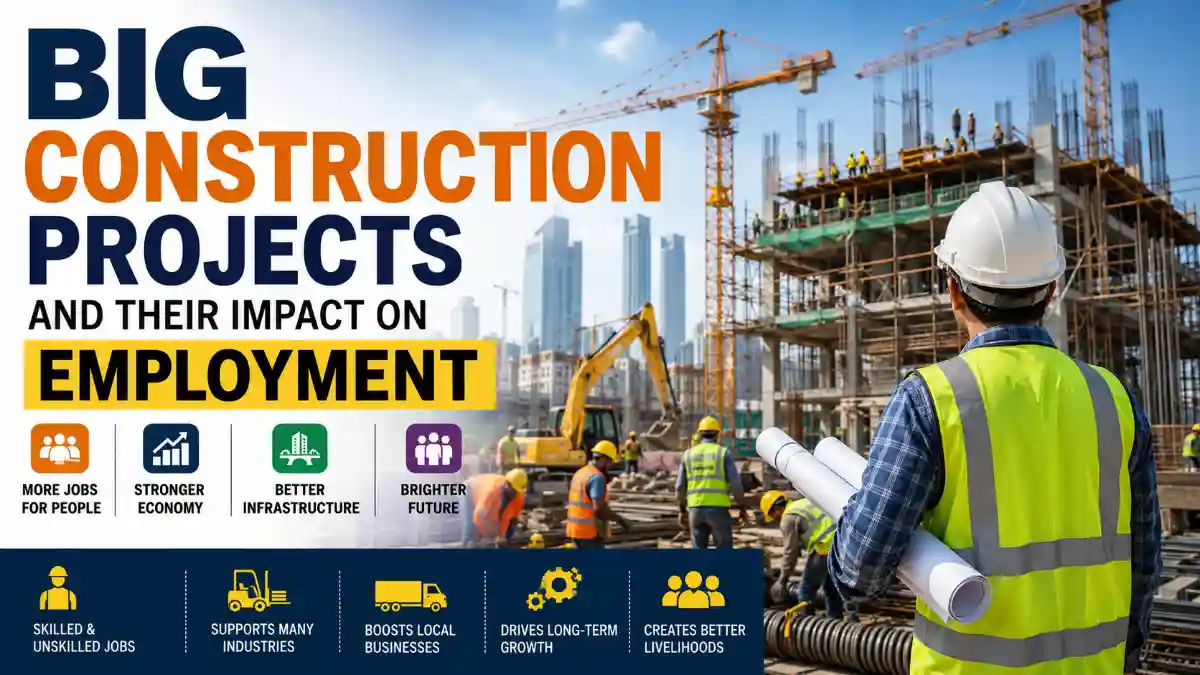
Construction projects are among the biggest drivers of economic growth in any country. Whether it is a highway, airport, metro system, residential township, shopping mall, bridge, or industrial corridor, every large construction project creates thousands of job opportunities directly and indirectly. Around the world, governments and private companies invest billions of dollars in infrastructure and development because construction not only improves cities and transportation but also strengthens employment and boosts the economy.
In developing countries like India, construction is considered one of the most important sectors for generating employment. From skilled engineers and architects to laborers, machine operators, electricians, plumbers, suppliers, and transport workers, many people depend on construction-related work for their livelihood. Big projects also create opportunities for local businesses such as cement suppliers, steel manufacturers, hotels, food vendors, and transportation services.
This article explains how major construction projects impact employment, the types of jobs they create, their benefits to society, and the challenges associated with the construction industry.
Construction Industry: A Major Source of Employment
The construction sector is one of the largest employers in the world. Large projects require manpower at every stage, including planning, design, engineering, material supply, execution, and maintenance.
When a new construction project begins, employment opportunities increase immediately. Workers are hired for land preparation, excavation, foundation work, structural construction, finishing, electrical systems, plumbing, road development, and many other activities.
Unlike some industries that rely heavily on automation, construction still requires a large workforce. This is why infrastructure development is often used by governments to reduce unemployment and stimulate economic activity.
Direct Employment Generated by Construction Projects
Big construction projects directly create jobs for thousands of people. These jobs can last for months or even years depending on the size of the project.
1. Skilled Workers
Skilled professionals are essential for modern construction projects. Some of the key skilled jobs include:
- Civil Engineers
- Architects
- Project Managers
- Surveyors
- Electricians
- Plumbers
- Welders
- Machine Operators
- Interior Designers
These professionals help in designing, planning, supervising, and completing construction work safely and efficiently.
2. Unskilled and Semi-Skilled Labor
Large construction sites employ huge numbers of laborers for physical work such as:
- Digging foundations
- Carrying materials
- Bricklaying
- Painting
- Road construction
- Cleaning and finishing work
For many workers, construction provides stable income and employment opportunities, especially in urban areas.
3. Administrative and Support Staff
Construction projects also require office staff, accountants, security guards, drivers, supervisors, and maintenance teams. These support roles are important for managing daily operations smoothly.
Indirect Employment Opportunities
The impact of construction on employment goes far beyond the construction site itself. Large projects increase demand in multiple industries, creating indirect employment opportunities.
Cement and Steel Industry
Every major construction project requires massive amounts of cement, steel, bricks, sand, and other building materials. As demand rises, factories and suppliers hire more workers to meet production needs.
Transportation and Logistics
Materials need to be transported from factories to construction sites. Truck drivers, loaders, fuel suppliers, and logistics companies benefit significantly from infrastructure development projects.
Local Businesses
Construction workers spend money on food, housing, transportation, clothing, and daily necessities. This helps local shops, restaurants, hotels, and service providers grow their businesses and hire additional employees.
Machinery and Equipment
Heavy equipment such as cranes, bulldozers, excavators, and concrete mixers are widely used in large projects. Equipment rental companies and maintenance services also see increased demand.
Impact on the Economy
Construction projects play a critical role in economic development. They not only generate jobs but also improve infrastructure, attract investments, and support long-term growth.
Increased Economic Activity
When construction projects start, money flows into the economy through wages, purchases, contracts, and investments. Workers earn income and spend it in local markets, helping businesses grow.
Improved Infrastructure
Roads, bridges, airports, railways, and metro systems improve transportation and connectivity. Better infrastructure attracts industries and businesses, which further increases employment opportunities.
Urban Development
Large projects contribute to urbanization and modernization. New residential complexes, commercial buildings, and industrial zones create long-term employment in maintenance, retail, security, hospitality, and facility management.
Boost to Real Estate Sector
Construction growth often leads to expansion in the real estate market. Property developers, brokers, legal advisors, and home furnishing businesses benefit from rising demand.
Government Infrastructure Projects and Employment
Governments worldwide invest heavily in infrastructure projects because they understand the importance of construction in creating jobs.
In India, projects such as:
- Highways
- Expressways
- Metro Rail Systems
- Smart Cities
- Airports
- Industrial Corridors
- Railway Expansion
have generated employment for millions of people.
For example, large expressway projects require engineers, laborers, machinery operators, security staff, and material suppliers. During construction, nearby towns and villages often experience economic growth due to increased business activity.
Infrastructure spending also helps revive economies during periods of slowdown or recession because construction generates employment quickly.
Long-Term Employment After Project Completion
The employment impact of construction projects continues even after the project is completed.
Maintenance Jobs
Roads, bridges, airports, and commercial buildings require regular maintenance and repairs. This creates permanent jobs for technicians, electricians, cleaners, and maintenance staff.
Business Expansion
Improved infrastructure attracts businesses, factories, warehouses, hotels, and shopping centers. This creates additional employment opportunities in multiple sectors.
Tourism Growth
Projects such as airports, highways, hotels, and urban beautification improve tourism. Increased tourist activity generates jobs in hospitality, transportation, and local services.
Technology and Modern Construction Employment
Modern construction projects are increasingly using advanced technologies such as:
- Building Information Modeling (BIM)
- Drones
- Artificial Intelligence
- Smart Construction Equipment
- Green Building Technologies
While automation may reduce some manual tasks, it also creates demand for skilled workers who can operate advanced systems and machinery.
Training and skill development have become essential for workers to remain competitive in the modern construction industry.
Challenges in Construction Employment
Although construction creates large-scale employment, the industry also faces several challenges.
Seasonal Work
Construction activity can slow down during heavy rains or extreme weather conditions, affecting workers’ income.
Safety Risks
Construction sites can be dangerous if safety measures are not followed properly. Workers may face risks from heavy machinery, heights, or electrical systems.
Skill Shortage
Many projects require trained professionals, but there is often a shortage of skilled workers in certain regions.
Temporary Nature of Projects
Some construction jobs are temporary and end once the project is completed. Workers may need to move frequently to find new opportunities.
Importance of Skill Development
Skill training programs can help workers access better-paying jobs in the construction industry. Governments and private organizations are increasingly focusing on vocational education and technical training.
Workers trained in areas such as welding, electrical systems, plumbing, machine operation, and project management can earn higher salaries and secure long-term employment.
Digital knowledge is also becoming important in modern infrastructure projects.
Future of Construction Employment
The future of construction employment looks strong, especially in developing countries where infrastructure demand continues to grow.
Key sectors expected to generate jobs include:
- Smart Cities
- Renewable Energy Projects
- Green Buildings
- High-Speed Rail
- Urban Housing
- Data Centers
- Industrial Parks
As populations increase and cities expand, governments and businesses will continue investing in infrastructure development.
Construction will remain one of the most important sectors for employment generation and economic growth.
Conclusion
Big construction projects have a massive impact on employment and economic development. They create direct jobs for engineers, laborers, architects, and machine operators while also supporting indirect employment in manufacturing, transportation, retail, and services.
Infrastructure development improves connectivity, boosts business activity, strengthens local economies, and increases long-term employment opportunities. Although the construction industry faces challenges such as safety risks and temporary work, proper training and investment can help workers build stable careers.
As countries continue investing in highways, airports, metro systems, housing, and industrial development, construction will remain a powerful engine of job creation and economic progress for years to come.





-

 Latest News9 months ago
जीवन बदलने वाले 5 सबक, जो हम भूल जाते हैं
-

 धर्म10 months ago
सावन के अंतिम सोमवार को कैसे करें शिव की पूजा, सम्पूर्ण विधि
-
 Latest News12 months ago
वृंदावन: बांके बिहारी मंदिर के अलावा भी ये हैं दर्शनीय स्थान
-

 Latest News9 months ago
2025 का नया ट्रेंड: Quiet Life Movement क्यों लोग अब सुकून को मान रहे हैं असली लग्ज़री?